
Table of Contents
- What Does a Painting Warranty Actually Cover
- Understanding Painting Contractor Workmanship Warranty
- House Painting Warranty Exclusions You Need to Know
- How Long Does a Painting Warranty Last
- Painting Warranty Claim Process: Step by Step
- Real-World Warranty Scenarios: What’s Actually Covered
- How to Review and Compare Painting Warranties
- Frequently Asked Questions
Last Updated: October 17, 2026
What Does a Painting Warranty Actually Cover
A painting warranty is a promise from your contractor that their work will last, and understanding what does painting warranty cover is essential before hiring.
At Rooster Painting, we’ve seen countless disputes between homeowners and contractors because the warranty terms weren’t clear from the start. The difference between a workmanship warranty and a paint product warranty matters more than you’d think.
Workmanship Warranty vs. Paint Product Warranty
Your contractor’s warranty and the paint manufacturer’s warranty are two separate things. They protect different problems.
Workmanship warranty covers how your contractor applied the paint. This includes surface prep, application technique, and labor quality.
Paint product warranty covers the paint itself.
Most contractors offer a workmanship warranty for 1-5 years. Paint manufacturers typically offer 5-15 years on their products.
Common Defects Covered by Contractor Warranties
Contractor warranties typically cover application defects. These include:
- Improper surface preparation leading to adhesion failure
- Uneven coverage or missed spots
- Paint applied in wrong weather conditions
- Incorrect paint-to-primer ratios
- Visible brush marks or roller patterns
- Drips, sags, or runs that weren’t cleaned up
- Caulk applied incorrectly or not at all
The coverage depends on your specific warranty terms. Always ask your contractor for a written warranty that lists exactly what’s covered. Verbal promises don’t hold up when problems arise.
Understanding Painting Contractor Workmanship Warranty
A contractor’s workmanship warranty protects you from labor mistakes. It’s different from the paint product itself. Your contractor is saying: “If my work fails, I’ll fix it.”
Labor and Application Quality
Your contractor warrants that they applied the paint correctly. This means using proper technique, following manufacturer guidelines, and working in appropriate conditions.
Proper application includes:
- Cleaning surfaces thoroughly before painting
- Sanding rough areas and filling holes
- Priming bare wood or new surfaces
- Applying paint in thin, even coats
- Maintaining proper temperature and humidity during application
- Allowing adequate drying time between coats
- Protecting adjacent surfaces and fixtures
If paint peels or fails because your contractor skipped these steps, the workmanship warranty covers the repair.
The length of this warranty varies. Some contractors offer 1 year. Others offer 5 years or longer.
Surface Preparation and Paint Adhesion
Surface preparation is where most paint jobs succeed or fail. Poor prep leads to adhesion failure, which looks like peeling or flaking paint.
Your contractor’s warranty covers adhesion problems caused by inadequate prep. This includes:
- Failing to remove old, loose paint
- Not cleaning dirt, dust, or mildew from surfaces
- Skipping primer on bare wood or new drywall
- Painting over glossy surfaces without sanding
- Not filling cracks or gaps with caulk
When paint adhesion fails due to these mistakes, your contractor should fix it. They’ll scrape off the failing paint, prep the surface correctly, and repaint. A strong workmanship warranty protects you from paying twice for the same job.
House Painting Warranty Exclusions You Need to Know
Not everything is covered. Warranties have limits. Understanding exclusions prevents frustration later.
Normal Wear and Tear vs. Defects
Your warranty doesn’t cover normal aging. Paint naturally fades, chalks, and wears over time. This is expected and not a defect.
Normal wear includes:
- Gradual color fading from UV exposure
- Chalking (fine powder on paint surface)
- Minor surface dirt or dust accumulation
- Slight gloss reduction over years
Defects are different. They’re sudden failures or problems that shouldn’t happen with proper application. Peeling paint in the first year is a defect.
Your warranty covers defects, not normal wear. The boundary between them matters. Ask your contractor to define this in your warranty terms.
Many homeowners assume all paint problems are covered. They’re not. Paint naturally ages. Your warranty protects against application mistakes and premature failure, not time itself.
Environmental Factors and Weather Exposure
Extreme weather isn’t covered by most warranties. Paint has limits. Intense sun, salt spray, heavy rain, and freeze-thaw cycles all accelerate aging.
Warranty exclusions typically include:
- Damage from hurricanes, storms, or extreme weather
- Mildew or mold growth (maintenance issue)
- Damage from landscaping or external impacts
- Paint failure in coastal or high-salt environments
- Damage from improper gutter maintenance allowing water intrusion
- UV damage beyond normal fading in extreme climates
Your contractor isn’t responsible for what nature does to the paint. They’re responsible for applying it correctly so it performs normally. If paint fails prematurely due to environmental stress, that’s often an exclusion.
Maintenance Responsibilities
Your maintenance obligations affect warranty coverage. If you don’t maintain the painted surfaces, the warranty may not apply.
Common maintenance requirements include:
- Cleaning painted surfaces annually
- Repainting trim or exposed wood every 5-7 years
- Maintaining gutters and downspouts
- Addressing water leaks promptly
- Preventing mildew by ensuring proper ventilation
- Caulking gaps that open over time
Neglecting these duties can void your warranty. Paint can’t protect surfaces that aren’t maintained. Your contractor expects you to care for the painted areas reasonably.
How Long Does a Painting Warranty Last
Warranty duration varies widely. Understanding the terms protects you.
Typical Warranty Duration and Terms
Most contractor warranties last 1-5 years. Some offer longer terms. The length depends on the contractor’s confidence and the specific work.
Common timeframes:
- Interior paint: 1-3 years
- Exterior paint: 2-5 years
- Cabinet painting: 3-5 years
- Specialty finishes: varies by product
Ask your contractor for the specific duration before signing. Request a written warranty that states the exact start and end dates. A warranty that starts when the work is completed is clear. One that starts when you move in creates confusion.
What Lifetime Warranty Actually Means
Some contractors advertise lifetime warranties. This sounds great until you read the fine print.
Click here to Schedule Free Quote →
“Lifetime” usually means:
- For the life of the paint (not your life)
- Until you sell the house (not transferable)
- Only on labor, not materials
- Subject to maintenance requirements
- Excluding normal wear and environmental damage
A true lifetime warranty covering everything is extremely rare. Most “lifetime” warranties are limited to specific defects or conditions. Read the details carefully. The word “lifetime” is marketing. The actual coverage is what matters.
When comparing contractors, don’t just look at warranty length. Compare what’s actually covered. A 3-year warranty covering everything beats a 10-year warranty with narrow coverage.
Painting Warranty Claim Process: Step by Step
When problems arise, knowing how to file a claim matters. The process is usually straightforward if you’re organized.
Documentation and Inspection
Start by documenting the problem. Take clear photos showing the defect. Include wide shots and close-ups. Date your photos and note when you first noticed the issue.
Before filing a claim:
- Take multiple photos from different angles
- Note the date the problem appeared
- Document any water damage or environmental factors
- Keep records of any maintenance you’ve done
- Note the weather conditions before the problem appeared
- Measure affected areas if relevant
Your contractor will want to inspect the problem in person. They’ll assess whether it’s a warranty claim or normal wear. Having photos and documentation helps this conversation. It shows you’re serious and organized.
Filing Your Claim
Contact your contractor as soon as you notice a problem. Most warranties have time limits. Waiting months can void coverage.
When filing a claim:
- Call or email your contractor with photos attached
- Describe the problem clearly and specifically
- Reference your warranty terms and coverage
- Request an inspection appointment
- Provide your availability for access
- Keep copies of all communication
Your contractor should respond within a reasonable timeframe. A professional company responds quickly because they stand behind their work.
Once they inspect and agree it’s a warranty issue, they’ll schedule the repair. They cover the cost. You shouldn’t pay for warranty work.
Real-World Warranty Scenarios: What’s Actually Covered
Examples clarify what warranties actually protect. These scenarios show the difference between covered and excluded problems.
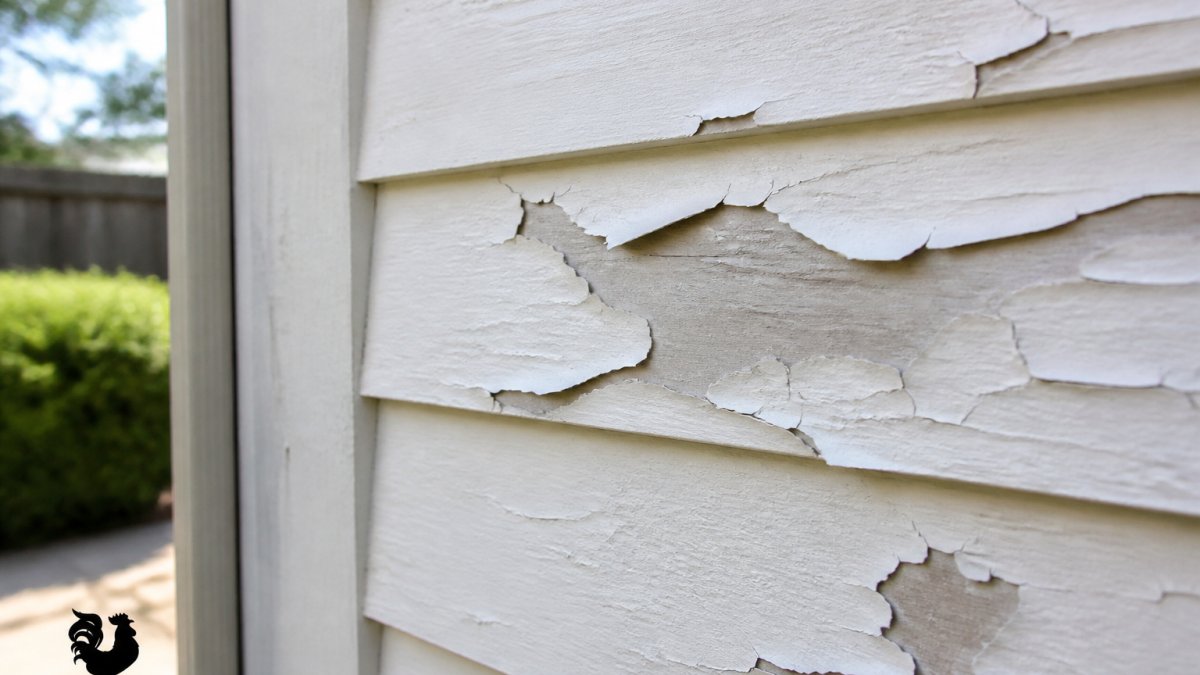
Peeling and Flaking Paint
Peeling paint is the most common warranty claim. But not all peeling is covered.
Covered scenario: Paint peels 6 months after application.
Covered scenario: Paint peels because the contractor painted over glossy surfaces without sanding. This is a prep mistake.
The key is timing and cause. Peeling in the first 1-2 years usually indicates an application problem.
Caulk Failure and Blistering
Caulk failures and paint blistering are often warranty-covered defects.
Covered scenario: Caulk around window trim shrinks and pulls away within the first year.
Covered scenario: Paint blisters appear a few weeks after application.
Not covered scenario: Caulk fails after 5 years due to weathering and normal expansion-contraction cycles. This is maintenance.
Blistering is almost always a workmanship issue. It means something went wrong during application. Your warranty should cover this.
How to Review and Compare Painting Warranties
When hiring a painter, warranty terms matter. Compare what different contractors offer.
Key Questions to Ask Your Contractor
Before signing, ask these questions:
- What exactly does the warranty cover?
- What’s excluded from coverage?
- How long is the warranty period?
- Does it cover labor, materials, or both?
- Is the warranty transferable if you sell?
- What’s the process for filing a claim?
- How quickly will they respond to claims?
- Does the warranty require maintenance on your part?
- Is the warranty in writing?
- Are there any conditions that void the warranty?
Get answers in writing. A professional contractor provides a written warranty document. If they won’t put it in writing, that’s a red flag.
Written Terms and Transferability
Your warranty should be a written document. Never accept a verbal warranty. Written terms protect both you and your contractor.
A strong written warranty includes:
- Specific coverage details
- Warranty start and end dates
- Claim process and contact information
- List of exclusions
- Duration of coverage
- Whether it’s transferable to future owners
- Conditions that must be met for coverage
- How disputes are resolved
Transferability matters if you plan to sell. A warranty that transfers to the new owner adds value to your home.
Rooster Painting provides clear, written warranty terms so you know exactly what’s protected.
| Warranty Aspect | What to Look For | Why It Matters |
|---|---|---|
| Coverage | Specific defects listed | Vague coverage leads to disputes |
| Duration | 2-5 years minimum | Longer protection is better |
| Transferability | Transfers to new owner | Adds value if you sell |
| Claim Process | Clear, documented steps | Easy claims get resolved faster |
| Response Time | 7-14 days typical | Quick response shows professionalism |
| Exclusions | Clearly listed | You know what’s not covered |
Understanding what a painting warranty covers protects your investment in your home’s appearance and durability.
Frequently Asked Questions
What is the difference between a paint manufacturer’s warranty and a contractor’s workmanship warranty?
A paint manufacturer’s warranty covers defects in the paint product itself, such as premature peeling or color fading due to product failure. A contractor’s workmanship warranty covers the quality of application, surface preparation, and labor. Both may apply to your project. The contractor’s warranty protects you if improper application causes problems, while the manufacturer’s warranty covers paint film integrity issues. Always ask your painting contractor for both written warranties.
Does a painting warranty cover peeling or blistering paint?
It depends on the cause. If peeling or blistering results from improper surface preparation, inadequate primer, or poor application technique, the contractor’s workmanship warranty typically covers it. If the paint product itself fails due to a manufacturing defect, the paint manufacturer’s warranty may apply. However, peeling caused by moisture intrusion, water damage, or extreme weather exposure is often excluded. Review your warranty terms carefully to understand what caused the failure before filing a claim.
How long does a painting warranty typically last, and what does a lifetime warranty mean?
Most contractor workmanship warranties range from 1 to 10 years, depending on the contractor and whether the work is interior or exterior. Lifetime warranties sound appealing but often have significant limitations. A lifetime warranty typically covers only the original homeowner, may exclude labor costs for repainting, and often requires proof of proper maintenance. Many lifetime warranties specifically exclude normal wear and tear, weather exposure, and UV fading. Always request the written warranty terms to understand exactly what ‘lifetime’ covers and what remedies are available.
What should I do if I think I have a painting warranty claim?
First, document the problem with photos and notes about when you noticed the issue. Contact your painting contractor in writing (email is best) and describe the defect, referencing your warranty. Request an inspection so they can assess whether the issue falls under warranty coverage. Provide any maintenance records showing you’ve cared for the painted surfaces. The contractor will typically inspect, determine if the claim is valid, and offer repair or repainting at no cost if covered. Keep all documentation and correspondence for your records.