Table of Contents
- What Commercial Painting Services Include
- Commercial Painting Cost: What Drives Pricing
- Commercial Painting Project Timeline and Execution
- Coating Selection by Facility Type and Substrate
- Commercial Paint Maintenance and Warranty
- Choosing the Right Commercial Painting Contractor
- Frequently Asked Questions
Last Updated: October 18, 2026
What Commercial Painting Services Include
Commercial painting services north in Texas encompass far more than slapping paint on walls: surface preparation, specialized coatings, and project management designed to protect commercial properties while minimizing disruption to daily operations.
When you hire a commercial painting contractor, you’re investing in expertise spanning multiple disciplines. The work begins long before the first coat goes on, with surface assessment, structural evaluation, and strategic planning. Our approach emphasizes transparent communication and meticulous execution from estimate through final inspection.
Interior Painting for Offices and Corporate Facilities
Interior painting transforms how employees and clients perceive your workspace. Professional interior painting for offices goes beyond aesthetics; it addresses durability, maintenance, and the psychological impact of color and finish quality.
The preparation phase determines everything. Walls must be cleaned, patched, and primed before painting begins; rushing this step is precisely why peeling and premature failure occur. Quality interior painting includes proper surface repair, primer matched to substrate and paint type, and even coverage.
Exterior Painting and Protective Coatings
Exterior painting serves a protective function interior work cannot match. Your building’s exterior faces constant environmental stress: UV radiation, temperature fluctuations, moisture infiltration, and weather events. Commercial painting services north in Texas must account for intense summer heat, occasional freeze cycles, and accumulated dust and debris.
Protective coatings resist these conditions, preventing water intrusion, protecting substrates from degradation, and maintaining structural integrity over years of exposure. The difference between a paint job lasting three years and one lasting ten comes down to coating selection and surface preparation rigor.
Industrial Painting and Specialized Coatings
Industrial facilities require specialized coating systems standard commercial painting cannot provide. Warehouses, manufacturing plants, and industrial properties face chemical exposure, temperature extremes, heavy equipment vibration, and regulatory compliance requirements.
Industrial painting typically involves epoxy systems, polyurethane coatings, or specialized primers for metal, concrete, or composite substrates. These coatings provide chemical resistance, durability under stress, and often meet specific industry standards. Application requires specialized equipment, trained technicians, strict environmental controls, and precise mixing ratios, pot life management, and curing protocols that inexperienced contractors often mishandle.
Commercial Painting Cost: What Drives Pricing
Pricing for commercial painting services north in Texas varies dramatically based on factors many property managers don’t understand until their first estimate.
Project scope, square footage, number of coats, and surface condition establish the baseline. Surface preparation typically represents 40-60% of total project cost, yet many contractors underestimate this phase.
Geographic factors specific to North Texas also influence pricing. Local labor availability, material transportation costs, and regional competition shape what contractors charge, so commercial painting services north in Texas may cost differently than elsewhere.
What a Detailed Estimate Should Include
A detailed estimate is your roadmap for understanding exactly what you’re paying for.
Red flags appear when estimates lack detail. A total price without broken-down components leaves you unable to assess whether the bid is reasonable or where cost differences originate between competing bids.
The estimate should include a project timeline, weather contingencies, and clarification on what happens if additional repairs are discovered during surface preparation. Many projects uncover hidden damage once walls are inspected closely, so a quality estimate anticipates this and explains how costs adjust.
Transparent Pricing and Cost Transparency
Transparent pricing builds trust and prevents budget surprises. The best commercial painting contractors explain their pricing methodology upfront: how square footage is calculated, why certain coatings cost more, and what factors might change the final bill.
Cost transparency also means discussing what’s included and what isn’t: surface repairs, debris removal, equipment rental, protective coverings for furniture and fixtures. These details separate a complete estimate from one that leaves room for surprise charges.
Commercial Painting Project Timeline and Execution
Project timeline depends on scope, weather, and the contractor’s scheduling. A small office interior might complete in one week; a large warehouse exterior could require four to six weeks or longer depending on surface condition and weather delays.
Understanding the realistic timeline prevents scheduling conflicts and helps you plan for operational disruptions. Commercial painting services north in Texas must often work around business hours or schedule off-hours work to minimize impact on daily operations.
Surface Preparation and Project Scheduling
Surface preparation determines both timeline and final quality, and thorough prep sometimes takes longer than the actual painting. Walls must be cleaned, sanded, patched, and primed; metal surfaces require rust removal or conversion treatments; concrete requires cleaning and sealing.
Scheduling surface prep requires coordination with your operations team, and work might occur evenings or weekends to avoid disrupting business. The contractor should provide a detailed schedule showing when crews arrive, what areas are affected, and how long each phase will take.
Minimizing Disruption to Business Operations
Minimizing disruption separates professional contractors from those who create chaos. The best commercial painting services north in Texas contain mess, protect equipment and furnishings, and maintain safe pathways for employees and customers.
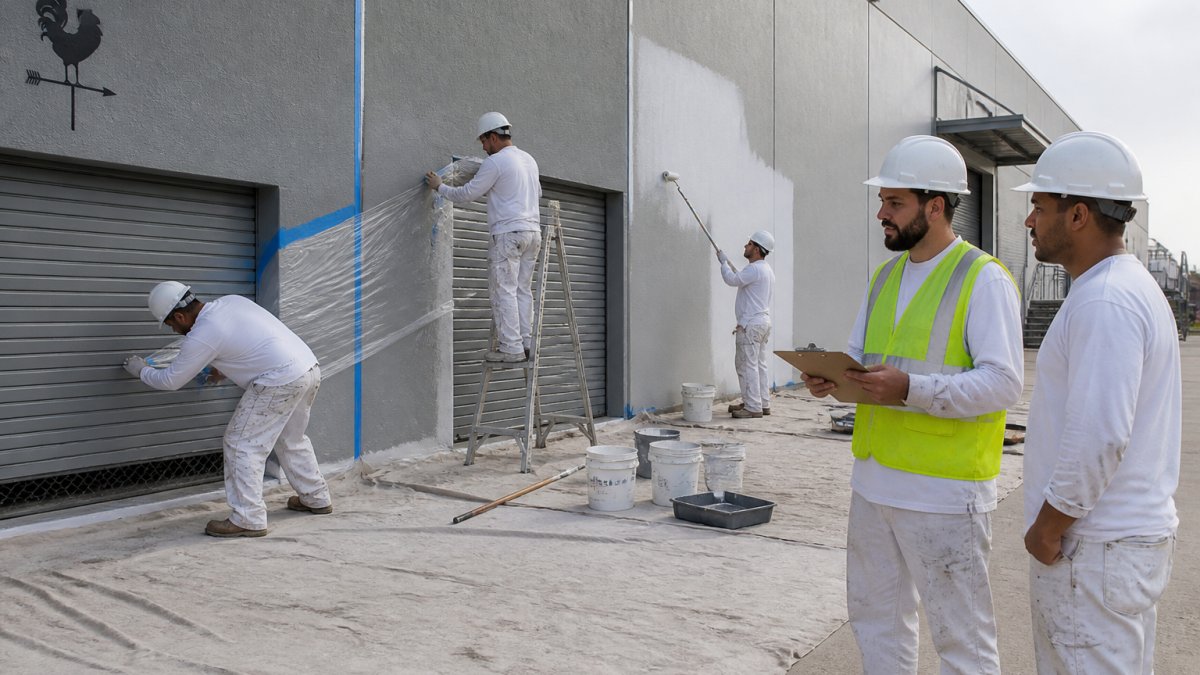
Containment systems, drop cloths, plastic sheeting, and temporary walls prevent paint dust and debris from spreading. Crews should establish clear work zones and maintain them throughout the project. Ventilation management is critical in occupied buildings, and the contractor should communicate daily about progress, unexpected issues, and timeline adjustments.
Coating Selection by Facility Type and Substrate
Coating selection is where technical expertise matters most. Different facilities require different coating systems based on substrate type, environmental exposure, and performance requirements.
| Facility Type | Substrate | Recommended Coating System | Key Considerations |
|---|---|---|---|
| Warehouse | Concrete/metal | Epoxy or polyurethane | Chemical resistance, durability |
| Office | Drywall | Acrylic latex or acrylic enamel | Washability, aesthetic finish |
| Retail | Mixed substrates | Semi-gloss or satin finish | Durability, appearance, maintenance |
| Industrial | Metal/concrete | Industrial epoxy or polyurethane | Chemical/temperature resistance, curing time |
| Medical facility | Drywall/trim | Antimicrobial or premium latex | Hygiene, washability, regulatory compliance |
Warehouses and Industrial Facilities
Warehouses and industrial facilities demand coatings engineered for durability and chemical resistance. Concrete floors experience heavy equipment traffic and chemical spills, and industrial epoxy systems create a hard, chemical-resistant surface that withstands this punishment. Metal structures face rust and corrosion risks, requiring primers and topcoats formulated for metal substrates.
Coating selection considers the specific chemicals or materials stored in the facility: a warehouse storing corrosive materials needs different protection than one storing dry goods. Temperature fluctuations in uninsulated facilities require coatings that expand and contract without cracking.
Retail Centers and Medical Facilities
Retail centers require coatings that balance durability with aesthetic appeal. Customer-facing areas need finishes that look professional and clean. High-traffic areas require semi-gloss or satin finishes that resist staining and allow frequent cleaning without damaging the paint.
Click here to Schedule Free Quote →
Medical facilities face unique requirements. Walls must withstand frequent cleaning with hospital-grade disinfectants. Some facilities specify antimicrobial coatings that inhibit bacterial growth. Regulatory compliance often mandates specific coating types or finishes. The coating selection process must account for these specialized requirements.
Floor Coatings and Wall Coverings
Floor coatings represent a specialized category requiring different systems than wall coatings. Epoxy floor coatings create durable, chemical-resistant surfaces suitable for warehouses, manufacturing facilities, and commercial kitchens. Polyurethane systems offer flexibility and UV resistance. Concrete sealers protect bare concrete from staining and chemical penetration.
Wall coverings in commercial settings include specialized finishes for high-traffic areas. Scrubbable finishes resist staining and allow cleaning without damaging the paint. Matte finishes work well in conference rooms and private offices; semi-gloss works better in hallways and restrooms where washability matters.
Commercial Paint Maintenance and Warranty
Paint isn’t a “set it and forget it” investment. Maintenance extends coating life and preserves appearance. Regular cleaning removes dust and debris that can degrade finishes. Inspections catch early signs of peeling, fading, or damage before they become major problems.
A well-maintained paint job protects your facility investment and maintains professional appearance. Maintenance schedules vary by facility type and coating system. High-traffic areas may require cleaning every three to six months; less-used spaces might need attention annually.
Durable Finishes and Long-Term Protection
Durable finishes are engineered to resist specific environmental stressors. UV-resistant coatings prevent fading in sun-exposed areas. Moisture-resistant formulations protect against humidity and water intrusion. Chemical-resistant systems withstand industrial environments. The durability of your paint job depends directly on coating selection and surface preparation quality.
Long-term protection requires matching the coating to the environment. Exterior coatings must resist weather; industrial coatings must resist chemicals. Selecting the wrong coating system results in premature failure regardless of application quality.
Investing in premium coatings often costs 15-25% more upfront but extends coating life by 50% or more. Calculate the cost-per-year over the coating’s expected lifespan rather than just comparing initial price.
Warranty Coverage and What It Protects
Warranty coverage varies significantly between contractors and coating manufacturers. A comprehensive warranty typically covers coating failure due to manufacturing defects or application errors, but not damage from improper maintenance, accident, or abuse.
Understanding warranty terms prevents disappointment. Some warranties cover only material costs; others include labor for recoating. Coverage duration varies, some warranties last three years, others ten years or longer depending on the coating system.
A quality contractor stands behind their work with a solid warranty representing their confidence in both material selection and application quality.
Choosing the Right Commercial Painting Contractor
Selecting a contractor determines whether your project succeeds or becomes a source of frustration. The lowest bid rarely delivers the best value. Professional contractors with experience, proper licensing, insurance, and a track record of quality work typically charge more, and deliver results that justify the investment.
Licensed, Insured, and Safety-Compliant Contractors
Licensing and insurance represent non-negotiable requirements. A licensed contractor has demonstrated knowledge of industry standards and local regulations.
Verify licensing through your state’s contractor licensing board. Request proof of insurance and verify coverage limits directly with the insurance company. Safety compliance matters enormously in commercial settings.
Ask about the contractor’s safety record and protocols. How do they train crews? What safety equipment is required? How do they handle incidents? A contractor who prioritizes safety demonstrates professionalism and reduces your liability exposure.
Quality Control and Customer Satisfaction
Quality control systems separate professional contractors from those who cut corners.
Customer satisfaction records provide insight into contractor reliability. Request references and contact previous customers directly. Ask specific questions: Did the contractor finish on schedule?
Review online feedback carefully. Look for patterns in complaints or praise.
Choosing commercial painting services north in Texas requires understanding what quality actually means and what separates professional contractors from those who simply apply paint.
When you’re ready to move forward, request a detailed estimate that breaks down labor, materials, and timeline.
Frequently Asked Questions
What do commercial painting services include?
Painting services can encompass interior and exterior paint application, surface preparation, protective coatings, floor coatings, wall coverings, and specialized treatments for various facilities. Many contractors also offer color consultation, drywall repair, and surface repairs before repainting. Quality providers handle project scheduling to minimize disruption to operations.
How much does a commercial painting project typically cost?
Painting project cost depends on square footage, surface condition, coating type, and facility complexity. Request a detailed written estimate from licensed contractors that breaks down labor, materials, and project scope to compare pricing accurately.
How long does a commercial painting project take?
Painting project timeline varies based on building size, surface preparation needs, and coating type. Many contractors schedule work outside business hours or in phases to minimize operational disruption. Your estimate should include a realistic timeline with start and completion dates.
How often should a commercial property be repainted?
Paint maintenance frequency depends on facility type, climate, and coating quality. Interior spaces typically need repainting every 5-7 years; exterior surfaces require refreshing every 7-10 years due to weather exposure. A maintenance plan from your contractor helps extend coating durability and protects your property value long-term.
What should I look for in a commercial painting contractor?
Choose a licensed, insured contractor with verifiable experience in projects similar to yours. Verify insurance coverage, OSHA compliance for safety practices, and references from property owners. Request a detailed written estimate, ask about their quality control process, and confirm warranty terms. Clear communication and a track record of on-time project completion are essential.
What makes surface preparation so important for commercial painting?
Proper surface preparation prevents peeling, cracking, and premature coating failure. This includes cleaning, repairing damage, sanding, and priming before paint application. Quality providers spend significant time on preparation because durable finishes depend on a solid foundation, not just the final paint coat.