
Last Updated: November 1, 2026
Quick Summary
Choose an interior paint finish by matching sheen to the room’s traffic and moisture. Flat hides wall flaws best, eggshell suits most living areas, satin handles frequent cleaning, and semi-gloss resists moisture and grease for trim and bathrooms.
- Flat and matte finishes hide bumps and uneven texture best but scuff easily.
- Eggshell is the most common choice for bedrooms, dining rooms, and hallways.
- Satin cleans well in kitchens and family rooms but reveals drywall seams and patches.
- Semi-gloss resists moisture and grease, making it the standard for bathrooms, trim, and doors.
- Sheen labels vary by manufacturer, so compare product data sheets before buying.
Table of Contents
- What Paint Finish Actually Controls
- Flat, Eggshell, Satin, Semi-Gloss, and High-Gloss Compared
- How Sheen Changes Light Reflection and Color Appearance
- Eggshell vs Satin Paint: Which Suits Your Walls
- Best Paint Finish for Bathrooms and Other Moisture-Prone Rooms
- Best Paint Finish for Trim and Doors
- Testing Samples in Your Actual Room Before You Commit
- Booking a Free Color Consultation for Your Next Project
- Frequently Asked Questions
Choosing an interior paint finish sounds simple until you stand in the paint aisle with a dozen sample cards. The decision usually comes down to a few practical factors. This guide walks you through how to choose interior paint finish for each space in your home, so you can avoid the common mistakes that lead to scuffed walls or dull-looking rooms.
What Paint Finish Actually Controls
Paint finish, also called paint sheen, describes how much light a painted surface reflects. It mostly affects three things: how the wall looks, how easy it is to clean, and how well it hides flaws.
Here is what matters most:
- Appearance: Higher sheens reflect more light and look brighter.
- Cleanability: Glossier surfaces wipe clean more easily.
- Surface flaws: Flatter sheens hide bumps and uneven texture better.
- Durability: Higher sheens generally hold up better to scrubbing and moisture.
Finish is a trade-off. The shinier the paint, the easier it is to clean, but the more it shows imperfections on the wall.
Flat, Eggshell, Satin, Semi-Gloss, and High-Gloss Compared
Most interior paints fall into five sheen levels, but the labels are not standardized across manufacturers. Always read the product data sheet rather than trusting the name alone. The table below summarizes how each finish typically behaves, followed by the practical trade-offs that matter most.
| Finish | Sheen level (typical) | Cleanability | Hides wall flaws | Best for |
|---|---|---|---|---|
| Flat / Matte | Near zero | Low, scuffs and stains easily | Best | Low-traffic walls, ceilings, formal living rooms, imperfect plaster |
| Eggshell | Low, soft glow | Moderate, wipes clean with care | Good | Bedrooms, dining rooms, hallways, most living areas |
| Satin | Medium | High, stands up to frequent wiping | Fair, shows texture | Kitchens, family rooms, kids’ spaces, high-traffic hallways |
| Semi-Gloss | High | Very high, resists moisture and grease | Poor, highlights bumps | Bathrooms, trim, doors, cabinets, areas around showers |
| High-Gloss | Highest | Highest, toughest surface | Worst, shows every imperfection | Accent doors, built-ins, cabinets, furniture |
Flat and matte. Flat paint absorbs light, which is why it tends to hide bumps and uneven texture. The trade-off is that it has little resistance to scrubbing; a crayon mark or a greasy handprint can leave a permanent shadow. Use it on ceilings and in rooms that see little touching, and keep a small can of touch-up paint on hand.
Eggshell. Eggshell adds a slight glow that makes colors look a bit richer than flat without drawing attention to wall texture. It cleans reasonably well with a damp cloth and mild soap, but aggressive scrubbing can burnish the surface and leave a shiny spot. It is the most common choice for bedrooms, dining rooms, and hallways.
Satin. Satin has a noticeable sheen and a tighter, more washable surface, which is why it is popular in kitchens, family rooms, and kids’ spaces. The catch is that satin reflects more light and therefore reveals drywall seams, patches, and uneven texture.
Semi-gloss. Semi-gloss is commonly chosen for moisture and grease resistance, and fingerprints wipe off door frames and trim easily. It is the standard choice for bathrooms, trim, doors, and cabinets. Because it is so reflective, it highlights dents and uneven joints.
High-gloss. High-gloss is the shiniest and toughest option. It makes a bold statement on cabinets, accent doors, and built-ins, but it shows every bump, brush stroke, and imperfection.
A flat finish looks elegant on a well-prepped wall, but it can be hard to wipe clean in a busy household. If you love the flat look in a high-traffic room, consider a washable matte product rather than a traditional flat.
Sheen labels vary by manufacturer. A satin from one brand may perform like an eggshell from another. Compare product data sheets for scrub resistance and washability ratings before you commit.
How Sheen Changes Light Reflection and Color Appearance
The same paint color can look very different at different sheens. Flat paint absorbs more light, so colors look deeper and softer. Glossier paints reflect more light, which makes colors look brighter and sometimes more saturated.
This matters most in rooms with limited natural light. A dark blue in a north-facing room may look flat and murky in a flat finish, while a satin version of the same color can add warmth and depth.
Keep in mind that sunlight changes throughout the day. A color that looks perfect at 10 a.m. may look different by evening. That is one reason we always recommend viewing samples in your home at different times.
Eggshell vs Satin Paint: Which Suits Your Walls
Eggshell and satin are the two sheens homeowners compare most often. They look similar on the card but behave differently on the wall.
Choose eggshell when:
- You want a soft, understated look
- The walls have minor texture or imperfections you want to hide
- The room sees moderate traffic, like a dining room or bedroom
Choose satin when:
- The room gets frequent cleaning, like a kitchen or hallway
- You want more durability against scuffs and fingerprints
- You prefer a subtle sheen that still looks polished
A common mistake is picking satin for every wall to be safe. Satin shows more surface flaws, so it is not always the right call for older walls or rooms with uneven plaster.
Click here to Schedule Free Quote →
Best Paint Finish for Bathrooms and Other Moisture-Prone Rooms
Bathrooms, laundry rooms, and kitchens face steady moisture, steam, and cleaning, and the right choice depends on the specific surface, not just the room.
Walls. Satin is a solid choice for bathroom walls with good ventilation. For bathrooms with heavy steam or little airflow, semi-gloss gives more moisture resistance. Around showers and tubs, where moisture is constant, semi-gloss is the safer bet. Flat paint in a bathroom may look fine at first, but it can stain and absorb moisture over time.
Ceilings. Bathroom ceilings take the most steam. A satin or semi-gloss ceiling paint resists mildew better than flat, and it wipes clean if condensation leaves marks. Avoid flat ceiling paint directly above a shower.
Trim, doors, and cabinets. Semi-gloss is a common choice for bathroom trim and vanity cabinets because it resists moisture and wipes clean easily. High-gloss works on cabinet doors if you want a polished look, but it shows every imperfection in the surface.
Laundry rooms and kitchens. Satin on walls handles occasional splashes and frequent wiping. Semi-gloss around sinks, stoves, and backsplashes resists grease and steam.
Ventilation matters as much as finish choice. Even the most moisture-resistant paint can peel or develop mildew if the room stays damp. Run the exhaust fan during and after showers, and make sure the fan vents outside.
Surface preparation also affects performance in wet rooms. Paint applied over a dirty or glossy surface is more likely to peel, no matter how durable the finish.
Flat paint in a bathroom may look fine at first, but it can stain and absorb moisture over time. If you are repainting a bathroom that already shows mildew, clean and treat the surface before painting, paint alone will not solve a moisture problem.
Match the finish to the surface, not just the room: semi-gloss for trim and shower surrounds, satin for walls with good ventilation, and satin or semi-gloss for ceilings. Fix ventilation and prep before you worry about sheen.
Best Paint Finish for Trim and Doors
Trim, baseboards, and doors take more abuse than most walls. They get bumped, scrubbed, and touched constantly, so they need a more durable finish.
For most homes:
- Semi-gloss is the standard choice for trim and interior doors
- High-gloss works well for a dramatic, polished look on doors or built-in features
- Satin can work for a softer appearance if the trim is in a low-traffic area
Semi-gloss highlights trim detail and makes it easier to clean fingerprints off door frames. If your trim has minor dents or uneven joints, prep work becomes especially important, since a shinier finish will reveal every flaw.
Testing Samples in Your Actual Room Before You Commit
Paint samples in the store can be misleading. Store lighting is bright and neutral, and your home is not. The most reliable way to choose a finish is to test it on your own walls.
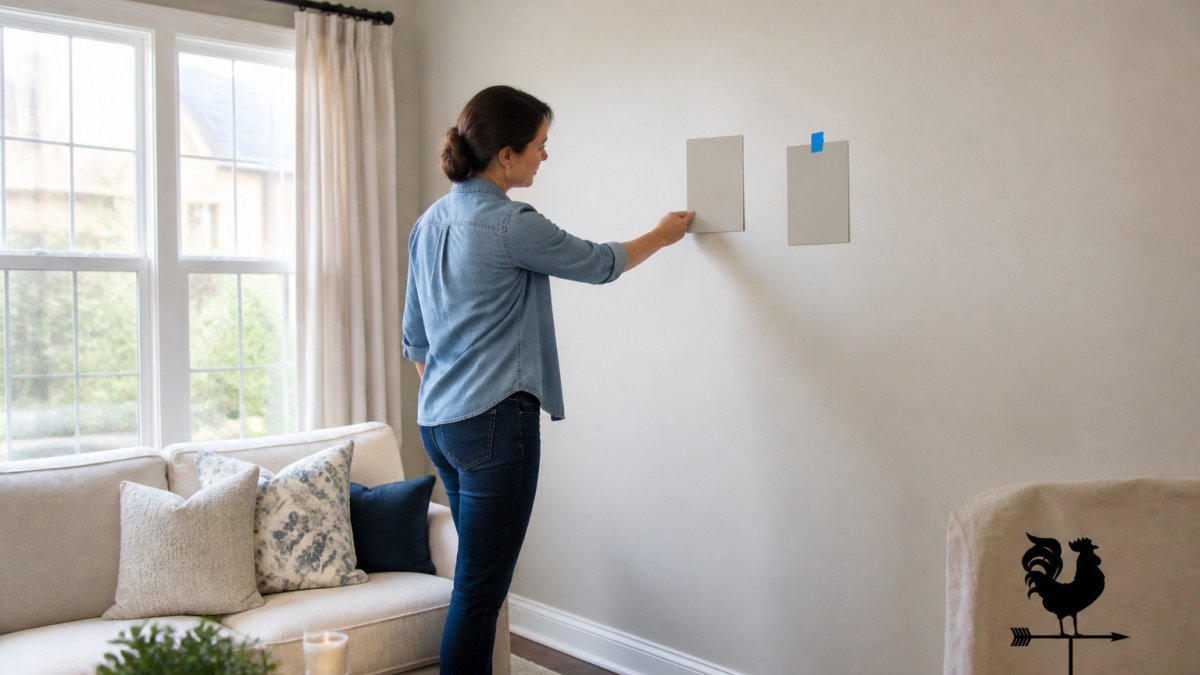
Follow these steps:
- Buy sample pots in at least two sheen levels you are considering.
- Paint large swatches, at least two feet square, on the wall. Don’t just test a small chip.
- Paint on two walls with different light exposure, such as one facing a window and one facing an interior wall.
- Check the samples in the morning, afternoon, and evening under your normal lighting.
- Test the finish by wiping it gently with a damp cloth after the paint dries fully.
Many homeowners skip this step and regret it later. Testing takes a few days but can save you from repainting an entire room. Before you test, see how to prepare walls for painting so your samples show the true finish.
Booking a Free Color Consultation for Your Next Project
If you are still unsure which finish or color to choose, a professional consultation can help. Rooster Painting offers a free color consultation for homeowners across North Texas.
Rooster Painting provides free detailed written estimates. Get a free painting estimate for your room before you commit to a project. Book a free color consultation and our team will help you narrow down the right sheen for every room. You can also explore our interior painting services.
Frequently Asked Questions
What paint finish is used for interior walls?
Most homeowners choose eggshell or satin for interior walls because both balance washability with a soft appearance. Eggshell has a very low sheen that suits living rooms, bedrooms, and hallways where walls see moderate contact. Satin reflects a bit more light and holds up better to scrubbing, which makes it a practical choice for kitchens and family spaces. Flat paint works in low-traffic rooms where the goal is to hide surface imperfections, but it is harder to clean. Pricing varies by product line, coverage needs, and project scope, so request a written estimate from Rooster Painting for current figures.
Is eggshell or satin better for walls?
Eggshell is better when you want a softer look with less glare and some wipeability, while satin is better when walls take frequent cleaning or heavy use. Eggshell hides minor wall texture imperfections more effectively than satin because it reflects less light. Satin shows more of the wall’s surface and tends to stand up better to repeated scrubbing. For a typical bedroom or living room, eggshell is a strong default. For a kitchen, hallway, or a home with young children, satin is often the more practical choice. Test both on a sample board in the room before deciding.
Which paint finish is best for high-traffic areas?
Satin and semi-gloss perform best in high-traffic areas because they resist scuffs, moisture, and stains more effectively than flat or matte finishes. Hallways, entryways, and kids’ rooms benefit from satin on walls, which balances cleanability with a soft appearance. Semi-gloss is common on trim, doors, and cabinets where frequent hand contact occurs. Flat finishes should generally be avoided in high-traffic zones because they are harder to clean without dulling the surface. Your specific surfaces and wear patterns determine the best choice, and Rooster Painting can recommend options during a free consultation.
Should trim and doors have a different finish than walls?
Yes, trim and doors usually have a higher sheen than walls because they receive more handling and cleaning, and a higher gloss highlights their profile. Semi-gloss is the most common choice for interior trim and doors, offering durability and an easy-to-wipe surface. Satin is a reasonable alternative for a softer look. Using a higher sheen on trim than on walls also creates visual contrast that defines architectural details. Confirm the finish with your painter before work begins so the trim, doors, and walls are coordinated.
Ready to get started? Click here to Schedule Free Quote and let Rooster Painting help you choose the right finish for your home.
