
Table of Contents
- What Drives Residential Painting Costs in 2026
- Interior House Painting Cost: What to Expect
- Exterior House Painting Cost: Key Pricing Elements
- Cost to Paint a 2,000-Square-Foot House: Realistic Estimates
- Labor Costs and Contractor Rates
- Paint Quality, Materials, and Surface Preparation Impact
- House Painting Estimate Checklist: How to Compare Bids
- Conclusion: Planning Your Painting Project Budget
- Frequently Asked Questions
Last Updated: October 14, 2026
What Drives Residential Painting Costs in 2026
Understanding residential painting cost factors is essential when planning your home improvement budget. At Rooster Painting, we work with homeowners daily to break down what actually influences the final price of a painting project. The costs vary dramatically based on several interconnected variables, and knowing what drives these expenses helps you make informed decisions and compare quotes accurately.
The primary factors that shape residential painting costs include the size of your home, whether you’re painting interior or exterior surfaces, the condition of existing walls and trim, the quality of paint you select, labor rates in your region, and the complexity of surface preparation required. A 2,000-square-foot house doesn’t automatically cost the same to paint as another 2,000-square-foot house down the street.
Most homeowners are surprised to learn that labor typically represents 70-80% of the total project cost, with materials making up the remainder. This is why the quality of the contractor you hire matters more than finding the cheapest option. Cutting corners on preparation, skipping primer, rushing through sanding, or inadequate patching, leads to paint failure, peeling, and the need for expensive repainting within a few years.
When comparing bids, ask contractors to itemize labor, materials, and prep work separately. This transparency helps you identify which quotes are cutting corners and which are investing in durability.
Interior House Painting Cost: What to Expect
Interior painting costs depend heavily on room size, wall condition, number of coats needed, and whether trim and ceilings are included in the project scope. A straightforward interior job on well-maintained walls costs less than a project requiring extensive drywall repair, popcorn ceiling removal, or multiple accent walls.
Most homeowners budget for interior painting based on cost per square foot or by room. A living room or bedroom typically ranges from moderate to higher cost depending on whether you’re painting walls only or adding ceiling and trim work.
The condition of your existing walls is critical. If walls are already smooth, properly primed, and in good condition, the painter can move quickly. If walls have damage, stains, or previous paint failures, the contractor must spend time on repairs, patching, sanding, and sometimes primer application.
Paint quality matters for interior spaces. Premium paints from manufacturers like Sherwin-Williams provide better coverage, more durable finishes, and superior color retention than budget options. They also require fewer coats, which reduces labor time. The upfront material cost is higher, but the total project cost often comes out lower when you factor in labor savings.
Interior painting cost is driven more by wall condition and prep work than by the square footage itself. A well-prepared room with good walls costs significantly less than a damaged room of the same size.
Exterior House Painting Cost: Key Pricing Elements
Exterior painting involves weather exposure, surface preparation challenges, and safety considerations that make it more complex than interior work. Exterior surfaces must withstand temperature swings, moisture, UV exposure, and seasonal weather changes, so material quality and preparation are non-negotiable.
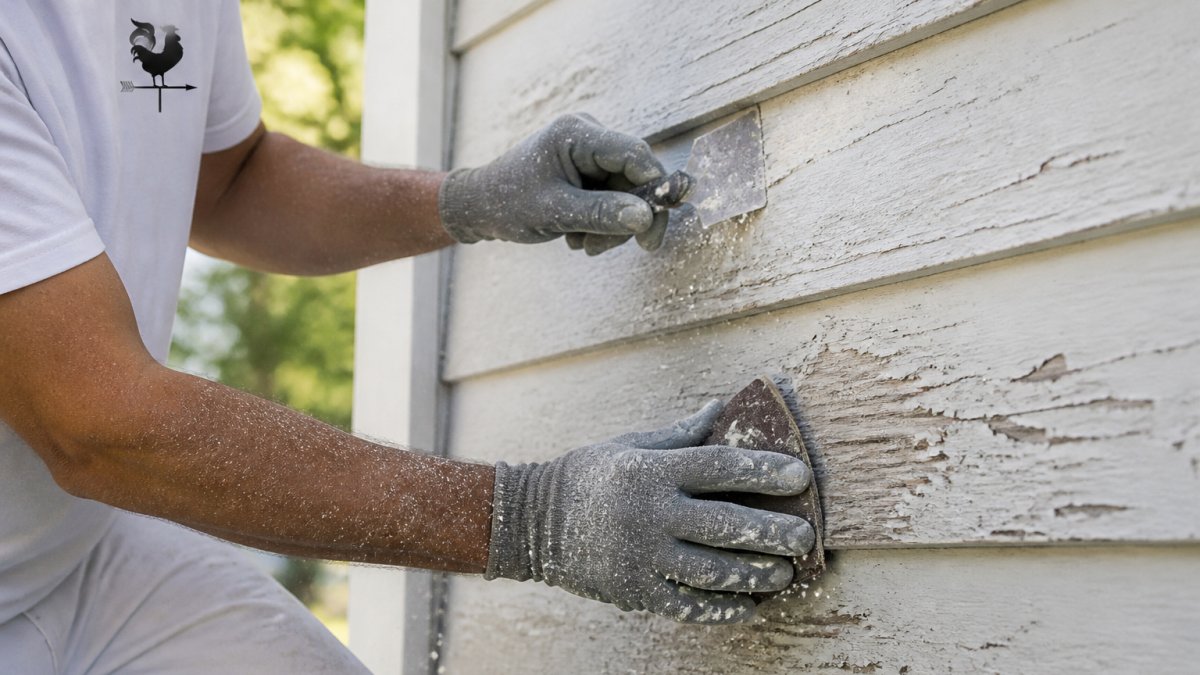
Exterior siding condition directly impacts cost. Wood siding may require scraping, sanding, and repairs before painting. Vinyl siding needs cleaning and careful surface preparation. Stucco and brick demand specialized techniques and primers.
Trim work on exterior projects includes fascia, soffit, gutters, doors, windows, and decorative elements. Each of these requires careful masking, multiple coats, and precise application.
Accessibility affects pricing substantially. A single-story ranch house is faster and safer to paint than a two-story colonial or a home with complex rooflines.
The number of exterior surfaces being painted also matters. Painting just the front elevation costs less than painting all four sides.
Cost to Paint a 2,000-Square-Foot House: Realistic Estimates
A 2,000-square-foot house is a common reference point for painting estimates, but the actual cost depends entirely on whether you’re painting interior, exterior, or both, plus the condition and complexity of your specific home.
For interior painting only on a 2,000-square-foot home with standard eight-foot ceilings and good wall condition, most homeowners should expect moderate costs. If you’re painting all walls and ceilings throughout the home with a neutral color and minimal trim work, the project is straightforward.
For exterior painting of a 2,000-square-foot home, costs depend on whether it’s single-story or two-story, the condition of siding, the amount of trim, and how many sides you’re painting. A single-story ranch with vinyl siding in good condition costs less than a two-story colonial with wood siding that needs repair.
The combination of interior and exterior painting on a 2,000-square-foot home represents a significant investment. Many homeowners tackle this as a major renovation project, often paired with other work like cabinet painting, drywall repair, or popcorn ceiling removal. Bundling these services can sometimes offer efficiency gains, though each service has its own labor and material requirements.
| Project Scope | Complexity Level | Key Cost Drivers |
|---|---|---|
| Interior walls only | Low to moderate | Wall condition, number of coats, color changes |
| Interior + ceilings + trim | Moderate to high | Ceiling height, trim detail, surface prep |
| Exterior siding only | Moderate to high | Siding type, condition, accessibility |
| Full interior + exterior | High | All factors combined, project coordination |
Labor Costs and Contractor Rates
Labor represents the largest portion of any painting project budget. Professional painters charge either by the hour, by the day, or by the project. Understanding how contractors price their labor helps you evaluate bids fairly.
Hourly rates vary by region, contractor experience, and project complexity. Established painting companies with strong reputations, proper insurance, and proven track records typically charge more than unlicensed operators or individuals working informally. The higher rate reflects their expertise, reliability, warranty coverage, and insurance protection.
Project-based pricing (a flat fee for the entire job) is common for painting work. The contractor estimates the time required, adds material costs, applies a markup for overhead and profit, and provides a fixed price.
Surface preparation is where labor costs accumulate most. Sanding, patching, scraping, caulking, and priming are time-intensive tasks that don’t involve applying the final paint color, but they determine whether the finished job lasts for years or fails within months.
Click here to Schedule Free Quote →
Experience matters. A painter with 19 years of experience, like the team at Rooster Painting, works more efficiently, makes fewer mistakes, and delivers finishes that require less touch-up work.
Unusually low bids often signal corner-cutting on prep work or materials. If one quote is significantly lower than others, ask specifically what prep steps are included and what paint quality is specified. The cheapest option rarely delivers the best value.
Paint Quality, Materials, and Surface Preparation Impact
Paint quality directly affects how long your paint job lasts and how often you’ll need repainting. Premium paints from manufacturers like Sherwin-Williams contain higher pigment concentrations, better binders, and superior additives that improve adhesion, durability, and color retention.
The cost difference between budget and premium paint is typically modest per gallon, but labor costs dwarf material costs. If premium paint requires one fewer coat, the labor savings alone often exceed the material cost difference.
Primer is essential for durability, especially on exterior surfaces, bare wood, or surfaces with stains or color changes. Skipping primer to save money on materials is false economy, primer ensures paint adhesion and longevity.
Surface preparation determines whether paint adheres properly and lasts. Proper prep includes cleaning, sanding, patching holes and cracks, caulking gaps, and sometimes stripping old paint. Rushed or inadequate prep leads to peeling, bubbling, and premature failure. The time spent on prep is the best investment in paint durability.
House Painting Estimate Checklist: How to Compare Bids
When you request painting estimates, you’re looking for transparency, specificity, and evidence of professional standards. A detailed written estimate protects both you and the contractor by clearly defining scope, expectations, and pricing.
A quality estimate should specify exactly what’s included: interior or exterior, walls only or walls plus trim and ceilings, number of coats, primer application, surface preparation tasks, paint brand and finish, color scheme, and any repairs included.
Compare estimates side by side, but don’t assume the lowest price is the best value. Look for consistency in scope.
Check that the estimate includes a timeline, warranty information, and the contractor’s insurance and licensing details. A professional contractor stands behind their work with a warranty that covers paint failure, adhesion issues, or finish problems.
Ask about the contractor’s process for handling occupied homes. Will they protect your furniture and belongings? How will they manage dust and odors? Will they communicate daily about progress?
Request references or testimonial videos from recent customers. A contractor willing to share customer feedback is confident in their work. Review their online reputation and how they respond to feedback.
Homeowners who want to compare painting bids effectively should request written estimates that itemize labor, materials, prep work, and timeline. Compare the scope of work, not just the price, and verify insurance and warranty coverage before deciding.
Conclusion: Planning Your Painting Project Budget
Residential painting costs in 2026 are shaped by multiple factors working together: your home’s size and condition, whether you’re painting interior or exterior surfaces, the quality of materials you select, and the professionalism of the contractor you hire. Understanding these factors helps you budget accurately and evaluate quotes with confidence.
The most common mistake homeowners make is prioritizing the lowest price over quality and durability. A paint job that fails within a few years costs far more than investing upfront in proper preparation, quality materials, and experienced contractors. When you work with Rooster Painting, our commitment to meticulous surface preparation, premium Sherwin-Williams paint, and expert color consultation ensures your project delivers lasting protection and beautiful finishes for years to come. We provide free detailed written estimates, free color consultation, and a worry-free warranty on all work. Click here to schedule your free quote and get a transparent, itemized estimate tailored to your home’s specific needs.
Frequently Asked Questions
What’s the average cost to paint a 2,000-square-foot house?
The cost depends on whether you’re painting interior, exterior, or both, plus factors like paint quality, surface condition, and local labor rates. Interior painting for a 2,000-square-foot house typically costs more per square foot than exterior work due to room-by-room setup and trim detail. Request a free detailed written estimate from a professional painting contractor to get accurate pricing for your specific home and project scope.
What factors affect the cost of residential painting in 2026?
Major cost drivers include square footage, number of rooms or walls, paint type and quality, number of coats required, surface preparation needs (repairs, sanding, scraping), primer application, regional labor rates, project accessibility, and whether you need additional services like drywall repair or popcorn ceiling removal. A professional painter will assess these factors during a site visit to provide an accurate project estimate.
Does interior or exterior house painting cost more?
Interior painting typically costs more per square foot than exterior painting because it involves more detailed work: cutting trim, protecting fixtures, managing room-by-room setup, and often multiple coats on walls and ceilings. Exterior painting covers larger areas quickly but faces weather challenges and may require scaffolding or specialized equipment. Total project cost depends on your home size and which surfaces you’re painting.
How much do repairs and surface preparation add to painting costs?
Surface preparation is critical to a lasting finish. If your walls need drywall repair, patching, sanding, or scraping, these add labor time and materials to your estimate. Poor surface prep leads to peeling paint within months, so professional contractors budget properly for this phase. Discuss surface condition honestly with your contractor during the estimate process to understand what work is included and what costs extra.
What should I include in a house painting estimate checklist?
Your estimate checklist should cover: total square footage, number of rooms or walls, paint brand and quality level, number of coats, primer inclusion, surface preparation scope (repairs, sanding, scraping), trim and ceiling work, labor hours and hourly rate, material costs, project timeline, warranty details, and what’s excluded. Compare multiple bids side-by-side using this checklist to identify hidden costs and ensure you’re comparing apples to apples.
Can a fresh coat of paint increase a home’s value?
Yes. A professional interior or exterior paint job improves curb appeal and property value, especially if colors are modern and finishes are polished. Exterior painting in particular enhances first impressions and protects siding from weather damage. Interior painting refreshes spaces and allows you to use on-trend colors. Paint is one of the highest-ROI home improvements when done with quality materials and professional preparation.