
Last Updated: October 23, 2026
Quick Summary
A professional interior painting service provides surface preparation that prevents peeling, technique for a smooth finish, and color expertise tailored to your lighting. When you book a professional interior painting service, you’re investing in durability and a polished result that lasts years longer than DIY attempts.
- Request a written estimate breaking down labor, materials, square footage, number of coats, and specific start and end dates.
- Surface preparation and drying time between coats consume most of the project calendar, not actual painting time.
- A quality professional interior painting service includes a written warranty against peeling, flaking, or adhesion failure.
- Prepare your home by clearing walls, consolidating furniture, protecting floors, and arranging for pets to be elsewhere during work.
- Inspect finished work for sharp trim lines, smooth walls, clean corners, and consistent coverage before paying the final balance.
Table of Contents
- Why Professional Interior Painting Service Matters
- Questions to Ask a Painting Contractor Before Booking
- How Long Does It Take to Paint a House Interior
- Interior Painting Estimate Checklist: What to Review
- Signs of a Quality Paint Job: What to Inspect
- Preparing Your Home Before the Painting Service Arrives
- Booking Your Interior Painting Service: Next Steps
- Frequently Asked Questions
Why Professional Interior Painting Service Matters
A fresh coat of paint transforms a room faster than almost any other renovation. But the difference between a DIY attempt and a professional interior painting service isn’t just aesthetics, it’s durability and preparation.
When you book a professional interior painting service, you’re paying for surface preparation that prevents peeling, technique that creates a smooth finish, and color expertise that ensures your choice looks right in your actual lighting. Most paint that fails within a year skipped prep or used the wrong paint type.
Questions to Ask a Painting Contractor Before Booking
Before you book a professional interior painting service, you need answers. The right contractor welcomes these questions; hesitation is a red flag.
Start with the fundamentals: How long have you been in business? What’s your surface prep process? Do you move furniture?
Ask about their warranty. A quality professional interior painting service guarantees against peeling, flaking, or adhesion failure, in writing.
Request references from recent projects and call them.
Finally, ask how they handle color selection.
Request a written estimate that breaks down labor, materials, and timeline. Vague quotes hide problems. You want specifics: square footage, number of coats, prep work included, and start/end dates.
How Long Does It Take to Paint a House Interior
Timelines for a professional interior painting service are driven less by square footage than by three variables: how much prep the surfaces need, how many coats the color change requires, and how the crew sequences rooms. Prep and drying time, not brush time, consume most of the calendar.
A realistic working model. For a standard bedroom (roughly 10 x 12 feet, 8-foot ceilings) in sound condition, plan on 1 to 2 days of active work plus overnight dry time between coats. A full-house interior of 2,000 to 2,500 square feet typically runs 5 to 10 working days when walls are in good shape, and 2 to 3 weeks when drywall repair, wallpaper removal, or heavy sanding is involved. Treat these as planning ranges, not promises, your written estimate should carry the contractor’s own dates.
What actually eats the calendar:
- Surface preparation. Patching nail pops and dings, skim-coating, sanding glossy finishes, caulking trim gaps, and priming bare drywall or stain-blocking water marks can take as long as the painting itself. Cracked plaster or old wallpaper adhesive can add a day per room.
- Recoat intervals. Most interior latex paints require 2 to 4 hours before a second coat, but that’s touch-dry, not a green light to load the room (The Best Order to Paint a Room). Practitioners wait until the film cures enough to re-coat without lifting, often the next morning. Oil-based and alkyd enamels need 8 to 24 hours between coats.
- Number of coats. Two coats is standard for a like-for-like refresh. A dramatic color change (dark to light, or saturated red or navy to pale neutral) often needs tinted primer plus two finish coats, three passes over every wall. Skipping primer is the most common cause of a blotchy, thin-looking result.
- Trim, doors, and ceilings. Cutting in and painting trim, doors, and ceilings is slower per square foot than rolling walls. A house with extensive millwork, crown molding, or paneled doors will run longer than the wall area alone suggests.
- Drying and cure before use. Paint may feel dry in a day but continues to cure for up to two weeks. Avoid washing walls or hanging heavy items during that window.
Sequencing and disruption. A professional crew works room by room or floor by floor so you always have a usable bathroom, kitchen, and bedroom. Ask for the room order up front and confirm which spaces are off-limits on which days.
Ask the contractor to put the room-by-room sequence and the recoat/dry-time assumptions in the written schedule. A crew that can explain why a room takes two days, not just that it does, is planning the work rather than guessing at it.
If someone promises to paint an entire house interior in two days, ask what they are skipping: prep, a second coat, or proper dry time between coats. Any of those shortcuts shows up within a year as peeling, flashing, or thin coverage.
Interior Painting Estimate Checklist: What to Review
Check these elements:
Scope of work. Does the estimate specify which rooms and surfaces, walls, ceilings, trim, doors, baseboards, closets? Vague language leads to disputes later.
Surface preparation. The estimate should detail prep: patching drywall, sanding, priming, caulking gaps.
Paint specifications. What brand and type? Interior latex? Semi-gloss for trim, matte for walls?
Timeline. When do they start? How many days will it take? What about drying time between coats?
Warranty terms. What does their warranty cover? For how long? Is it in writing?
| Estimate Element | What to Look For | Red Flag |
|---|---|---|
| Scope | Specific rooms and surfaces listed | Vague description like “interior painting” |
| Prep work | Detailed steps (patching, sanding, priming) | No mention of prep work |
| Paint brand | Named brand (Sherwin-Williams, Benjamin Moore) | Generic “quality paint“ |
| Labor/materials | Separate line items | Single lump sum only |
| Timeline | Specific start and end dates | “Flexible schedule” |
| Warranty | Written guarantee with coverage details | Verbal promise only |
When comparing estimates, the cheapest option isn’t always the best value.
If an estimate is significantly lower than others, ask why. Missing prep work, cheap paint, or unrealistic timeline are common reasons. A price that seems too good usually is.
Signs of a Quality Paint Job: What to Inspect
A quality professional interior painting service leaves no doubt when you look at the finished work.
Click here to Schedule Free Quote →
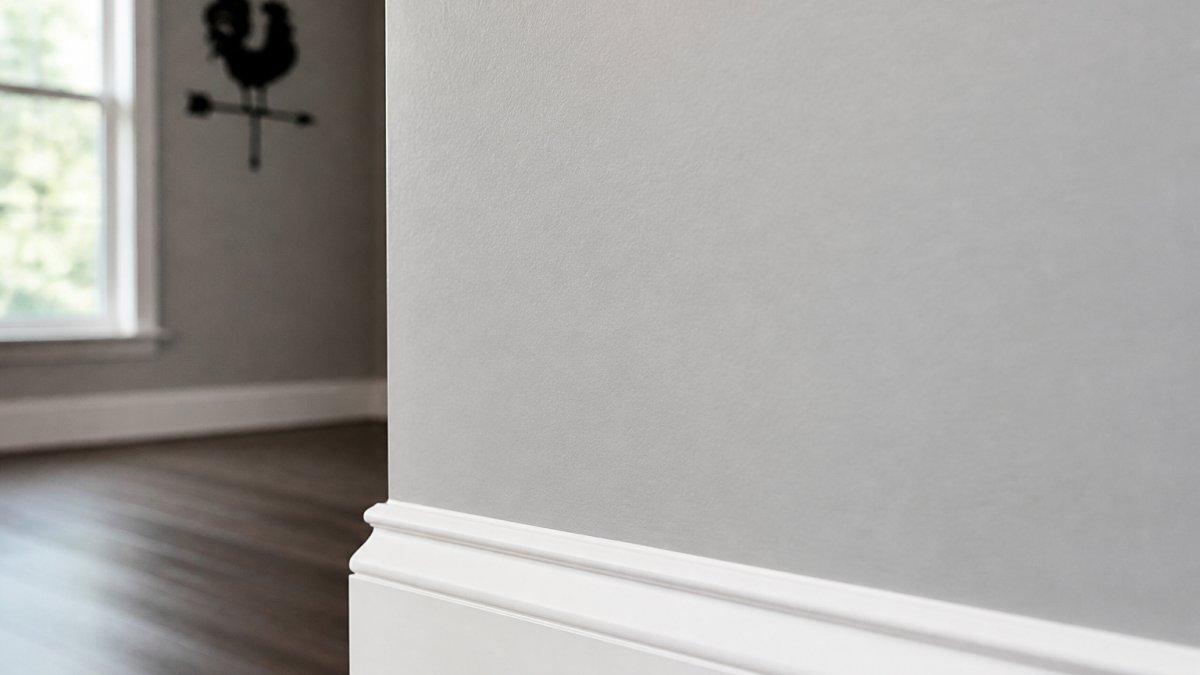
Look at the edges first.
Run your hand across the wall.
Check the corners. Inside corners should be clean and even; outside corners should have crisp lines.
Look at the ceiling line. This is the hardest edge to cut, and it shows skill.
Examine the trim. Paint should adhere smoothly without drips or runs, with consistent sheen and coverage.
Check for coverage.
Finally, look at the overall room. Does it feel fresh and finished?
Preparing Your Home Before the Painting Service Arrives
Most guides stop at “move the furniture and lay down drop cloths.” The bigger job is managing the household for the length of the project, access, ventilation, pets, daily routines, and the cure window after the crew leaves.
Before day one:
- Clear walls and surfaces. Remove wall hangings, shelves, outlet and switch plates, curtain hardware, and anything fragile from the rooms being painted. Contractors will remove switch plates as part of prep, but having small items boxed and labeled saves time and prevents loss.
- Consolidate furniture. Push large pieces to the center of each room and cover with plastic sheeting or moving blankets. Pre-staging heavy items reduces the chance of damage and speeds setup.
- Protect floors and thresholds. Drop cloths and plastic sheeting go down before any prep begins. Canvas drop cloths are preferable on hardwood because plastic can trap moisture and become slippery; ask what the crew uses.
- Plan access. Confirm where the crew will park, which door they will use, and whether stairs or elevators need protection. If you live in a building with loading rules or a homeowner association, clear permission in advance.
- Address pets and people. Paint fumes at typical residential levels are low, but pets and sensitive household members are stressed by strangers, noise, and open doors. Arrange for pets to be elsewhere during prep and painting days, and plan a ventilated, paint-free room where family members can retreat.
- Ventilation plan. Ask the contractor how they will ventilate, open windows, box fans, or negative air pressure with plastic barriers. Good airflow speeds dry time and reduces odor. In cold or rainy weather, confirm they have a plan that does not rely on leaving windows wide open.
- Wash dusty walls. A light wipe with a damp cloth improves adhesion on dusty or kitchen-grease surfaces. Deep cleaning is not necessary, but grease and soot do need to be removed before paint.
During the project:
- Establish a daily routine. Ask when the crew arrives and leaves, whether they clean up each day, and how furniture and floors are re-covered before they go.
- Keep a communication channel. Get the name and number of the lead painter or project manager. Report concerns the same day, small issues like a drip or a missed patch are easy to fix while the crew is on site and much harder after they have packed up.
- Protect the cure window. After the final coat, paint feels dry within hours but continues to cure for up to two weeks. Wait before washing walls, hanging heavy pictures, or moving furniture back against freshly painted surfaces. Ask the contractor for their specific cure guidance for the products used.
Do not schedule the project against a hard deadline, a party, a move-in date, or a holiday, without building in buffer days. Prep discoveries (water damage, old wallpaper adhesive, failing caulk) routinely add a day or more, and rushing the cure window is the fastest way to mar a new finish.
The best-prepared households treat painting as a short-term disruption with a clear plan: rooms sequenced, pets and people relocated, access confirmed, and a cure window respected. That planning is what lets the crew focus on the finish instead of working around the household.
Booking Your Interior Painting Service: Next Steps
Once you’ve chosen your contractor, booking is straightforward. Have your written estimate in front of you.
Discuss payment terms.
Get contact information for your project manager or the lead painter.
Confirm the cleanup plan. When does the painter leave each day? Will they cover furniture again after leaving?
Request a final walkthrough before paying the balance.
Ask about post-project care. How long should paint cure before you wash walls? When can you hang pictures?
Book your professional interior painting service with confidence.
Hiring a professional interior painting service transforms your home, but only if you choose wisely. Our team handles everything from residential interiors to specialized work like cabinet refinishing and drywall repair, all backed by a worry-free warranty and 100% customer satisfaction guarantee. Click here to Schedule Free Quote and see how professional painting can refresh your space.
Frequently Asked Questions
What should I ask before hiring an interior painting service?
Ask about years of experience, insurance and licensing, surface preparation methods, paint quality (like Sherwin-Williams), warranty coverage, project timeline, and how they handle disruptions. Request references from recent residential projects. Clarify whether the quote includes repairs like drywall or ceiling work, and ask how they handle color selection. These questions help you understand their process and confirm they match your expectations.
How long does it typically take to paint a house interior?
Interior painting timelines depend on room count, wall condition, and prep work needed. A single room typically takes 1-3 days. A full house interior can range from one week to several weeks. Surface preparation, patching drywall, sanding, priming, often takes longer than paint application itself. Quality contractors prioritize thorough prep work to prevent peeling and ensure lasting results, which adds time upfront but protects your investment long-term.
What should an interior painting estimate include?
A complete estimate should list the number of rooms, square footage, surface preparation steps, primer and paint specifications, labor and material costs, project timeline, warranty details, and cleanup procedures. It should specify whether cabinet painting, drywall repair, or ceiling work is included. A detailed written estimate prevents surprises and gives you a clear basis to compare quotes from different contractors.
How can I tell if a painting contractor does quality work?
Look for smooth, even paint coverage with no drips, sags, or visible brush marks. Check that edges where walls meet trim are crisp and clean, with no paint bleeding onto adjacent surfaces. Inspect corners and ceiling lines closely. Ask the contractor about their surface preparation process, quality painters spend significant time on prep work like sanding and priming, which prevents peeling. Request references and photos of completed projects, and read customer reviews about workmanship and attention to detail.
