Last Updated: October 25, 2026
Quick Summary
Interior painting costs in 2026 depend on surface condition, paint quality, labor rates, and project scope, with labor typically accounting for 60-70% of the total cost and materials for 30-40%. A straightforward repaint of walls in good condition costs less per square foot than projects requiring extensive surface preparation, drywall repair, or moisture-resistant finishes.
- Labor typically accounts for 60-70% of interior painting project costs, while materials make up 30-40%.
- Surface preparation is where most costs accumulate; proper prep work ensures paint durability and prevents peeling within a year.
- Kitchens and bathrooms cost more to paint than bedrooms due to moisture challenges and the need for specialty primers and paints.
- A quality estimate should itemize labor, materials, surface preparation details, paint type and coats, and clarify what is and is not included.
- Paintable surface area is typically 70-80% of floor area after subtracting windows, doors, fixtures, and furniture placement.
Table of Contents
- Understanding Interior Painting Costs in 2026
- Interior Painting Cost Per Square Foot
- Interior Painting Cost by Room Type
- Factors Affecting Interior Painting Costs
- Professional Painter Estimate Checklist
- Breaking Down Labor Versus Materials
- Getting Your Free Painting Estimate
- Frequently Asked Questions
Understanding Interior Painting Costs in 2026
The cost of interior house painting in 2026 depends on a mix of factors that vary dramatically from one project to the next. A 1,200-square-foot home might cost significantly less than a 3,000-square-foot home, but the difference isn’t always proportional to size.
At Rooster Painting, we’ve seen homeowners surprised by quotes because they didn’t account for what happens before the brush touches the wall. A room that looks ready to paint might need drywall repair, patching, sanding, and primer application before the topcoat goes on.
Understanding the breakdown helps you evaluate contractor estimates more intelligently. You’ll know whether a quote seems reasonable or if something’s been overlooked. This guide walks through the typical cost structure for interior painting projects so you can estimate your own project with confidence.
Interior Painting Cost Per Square Foot
The cost per square foot is a useful starting point, though it’s rarely the whole story. Interior painting typically ranges based on the condition of your walls, the paint type you choose, and your location.
What most homeowners miss is that cost per square foot assumes consistent conditions across the entire project. A living room with smooth drywall in good shape will have a different per-square-foot cost than a kitchen with water damage or textured ceilings.
The calculation itself is straightforward: divide your total project cost by the paintable square footage. But getting to that total requires understanding what’s included in your estimate. Some contractors include primer and two coats of paint; others charge separately for primer. Some include minor patching; others don’t.
Interior Painting Cost by Room Type
Room type matters because different spaces present different challenges. A bedroom with simple walls costs less to paint than a kitchen with cabinets, or a bathroom with moisture concerns. Understanding the typical cost range by room helps you budget more accurately and spot estimates that seem out of line.
Bedrooms and Living Areas
Bedrooms and living rooms are the most straightforward spaces to paint. They typically have standard drywall, fewer obstacles, and less moisture exposure than kitchens or bathrooms. A straightforward bedroom repaint, assuming the walls are in decent condition, is one of the more economical interior painting projects.
The cost here depends mainly on wall condition and ceiling height. A standard 12-by-14-foot bedroom with 8-foot ceilings is simpler than one with vaulted ceilings, which require more time and equipment. If the walls need patching or sanding, costs rise. If you’re painting over existing paint in good condition, costs stay lower.
Living rooms typically cost more than bedrooms simply because they’re larger. A spacious living room might have 400-500 square feet of wall area, compared to 250-300 in a typical bedroom. The larger the room, the more paint and labor time required.
Kitchens and Bathrooms
Kitchens and bathrooms cost more to paint because they present moisture and complexity challenges. Bathrooms require paint that resists humidity and mildew. Kitchens need paint that can handle cooking grease and moisture. Both rooms often have cabinets, trim, and fixtures that complicate the job.
Cabinet painting, if included, significantly increases the cost. Cabinets require more preparation than walls, cleaning, sanding, priming, and often multiple coats. If you’re painting just the walls and ceiling while leaving cabinets alone, the cost is closer to a bedroom. If cabinets are included, expect a substantial increase.
Bathroom painting also requires careful surface preparation because moisture is the enemy of paint durability. Moisture-resistant primer and paint are necessary to prevent peeling and mildew growth. If your bathroom has existing mold or water damage, that damage must be addressed before painting, which adds to the project scope and cost.
Factors Affecting Interior Painting Costs
The biggest cost drivers are surface preparation, paint quality, and labor rates. Understanding each one helps you see where your estimate dollars are going and why two contractors might quote different prices for the same room.
Surface Preparation and Repairs
Surface preparation is where most paint jobs are won or lost, and where costs often surprise homeowners.
Drywall damage requires patching and sanding. Small holes and nail pops are quick fixes. Large cracks, water damage, or holes from furniture require more extensive repair.
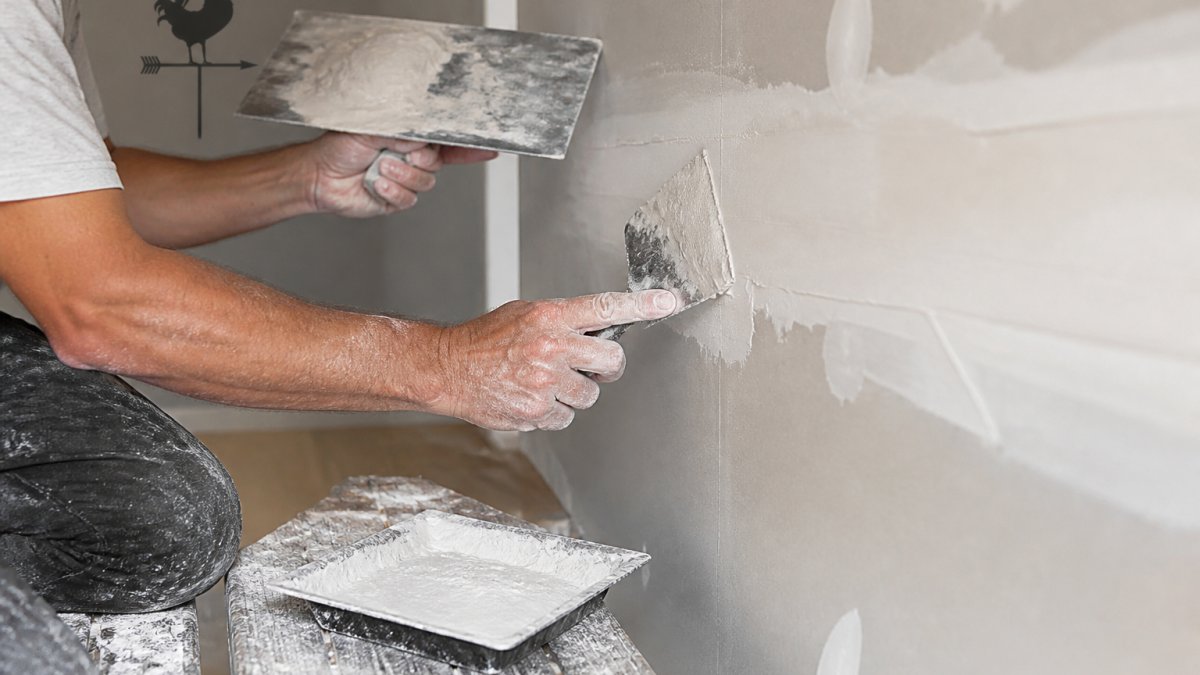
The distinction between floor area and paintable surface area matters here. A 1,000-square-foot home doesn’t have 1,000 square feet of paintable wall space. Subtract windows, doors, fixtures, and furniture placement.
Professional wall prep before painting is where durability is built. Proper sanding, priming, and surface cleaning ensure paint adheres correctly and lasts years longer than a quick paint-over.
Paint Type and Quality
Paint quality directly affects durability and final appearance. Budget paint costs less upfront but may require more coats and will typically wear faster than premium paint. Premium paints often have better coverage, hide imperfections better, and resist wear longer.
Paint type also matters. Flat paint hides imperfections well but is harder to clean. Eggshell and satin finishes are more durable and cleanable, making them popular for kitchens and bathrooms. Gloss finishes are most durable but show every imperfection. Most interior projects use eggshell or satin for the balance of durability and appearance.
Primer type affects cost as well. Standard primer works for most repaints. Stain-blocking primer costs more but is necessary if you’re covering water stains, smoke damage, or dark colors. Moisture-resistant primer is essential in bathrooms.
Click here to Schedule Free Quote →
Labor Rates and Project Scope
Labor is typically the largest cost component in any painting project. Labor rates vary by location, contractor experience, and project complexity. A straightforward wall repaint requires less skill and time than a project with multiple colors, trim work, or detailed cutting around fixtures.
Project scope defines what’s included. Some estimates cover walls and ceilings only. Others include trim, doors, and baseboards. Cabinet painting, if needed, is often quoted separately. Furniture moving, protection, and cleanup vary by contractor. Always confirm what’s included in your estimate to compare apples to apples.
The number of coats also affects labor cost. Most projects require two coats of paint. Projects covering dark colors, stains, or making a dramatic color change may need three coats or a stain-blocking primer, which increases labor time and material cost.
Professional Painter Estimate Checklist
When you receive an estimate from a contractor, a checklist helps you evaluate whether it’s complete and fair. An estimate should itemize labor, materials, and any additional services so you understand where your money goes.
A good estimate includes:
- Detailed description of rooms or areas to be painted
- Paint type, brand, and finish specified
- Number of coats included
- Primer type and application
- Surface preparation details (patching, sanding, cleaning)
- Trim, doors, and ceiling treatment specified
- Any repairs included or excluded
- Timeline and project schedule
- Payment terms and warranty details
The estimate should also clarify what’s not included. If drywall repair is needed but not quoted, that should be stated. If you’re moving furniture yourself versus the painter, that should be clear. Exclusions prevent surprises when the work starts.
An itemized estimate is easier to compare across contractors. If one contractor quotes a lump sum and another itemizes, ask the first contractor to break down their price. Transparency in estimates helps you make an informed decision and ensures the contractor understands the full scope of work.
Breaking Down Labor Versus Materials
Labor typically accounts for 60-70% of an interior painting project cost, while materials make up 30-40%.
Paint and primer costs are relatively straightforward. A gallon of quality interior paint covers roughly 350-400 square feet depending on the surface and paint type (How to Use Paint Calculator | FAQs).
Labor cost depends on the complexity and condition of the work. A straightforward repaint in a 1,500-square-foot home might take 3-5 days for a team of two painters.
Protecting your home during painting, drop cloths, plastic sheeting, painter’s tape, adds to material cost but is essential. Professional painters budget for these supplies, and they’re worth the cost to protect your flooring and furniture.
The relationship between labor and materials is why rushing a paint job costs more in the long run. Proper surface preparation takes time but ensures the paint adheres and lasts.
Getting Your Free Painting Estimate
The best way to understand what your interior painting project will cost is to get a detailed estimate from a professional painter.
When you request an estimate, be specific about what you want painted. Some contractors offer free color consultations to help you choose colors that work in your space, which can prevent costly mistakes.
Professional painters should provide written estimates that itemize the work and materials. This protects both you and the contractor by creating a clear agreement about what’s included.
At Rooster Painting, we provide detailed written estimates at no cost so you understand exactly what your project will involve. We also offer free color consultation to help you choose finishes that enhance your home. Book a free painting estimate to get a specific quote for your interior painting project, or explore our interior painting service to learn more about our approach.
Once you’ve received estimates, review our guide to hiring a professional painter for advice on evaluating contractors and making your final decision.
| Cost Component | Typical Range | What It Covers |
|---|---|---|
| Materials (paint, primer, supplies) | 30-40% of total | Quality paint, primer, drop cloths, tape, caulk |
| Labor | 60-70% of total | Preparation, painting, cleanup, protection |
| Surface Repair | Varies | Drywall patching, sanding, water damage repair |
| Specialty Finishes | Add 10-20% | Accent walls, multiple colors, cabinet painting |
For a deeper look at what drives costs in your specific situation, explore the factors that affect residential painting costs or learn about the benefits of professional wall preparation before your project begins.
Frequently Asked Questions
How much does it cost to paint the interior of a house in 2026?
Interior painting costs depend on home size, room count, surface condition, and paint quality. A typical whole-house project ranges widely based on square footage and local labor rates. For an accurate estimate, contact a professional painter who will assess your specific walls, ceilings, trim, and any needed repairs. Rooster Painting provides free detailed written estimates after evaluating your project scope.
What factors affect the cost of interior painting most?
Surface preparation is the largest cost driver, drywall repair, patching, sanding, and primer application add significantly to labor. Paint type and quality matter too; premium finishes cost more than basic latex. High ceilings and vaulted surfaces increase labor time. Local labor rates, project complexity, and whether furniture protection or popcorn ceiling removal is needed also shift the final bill substantially.
How much do painters charge per square foot for interior painting?
Interior painting cost per square foot varies by region and project scope. Rates typically account for wall area, not floor area, measure paintable surfaces including all walls, ceilings, trim, and doors. The total cost reflects labor, materials, surface prep, and any repairs needed. A professional painter will calculate this based on your home’s actual paintable square footage and condition, not just floor dimensions.
What should a professional painter estimate include?
A thorough professional painter estimate checklist should list wall and ceiling square footage, number of coats required, primer costs, paint type and finish, labor rates, surface preparation work (drywall repair, patching, sanding), trim and door painting, furniture protection, project timeline, warranty details, and payment terms. It should also clarify exclusions, what work is not included. Rooster Painting provides free color consultation and detailed written estimates covering all these elements.
The cost of interior house painting in 2026 depends on your home’s size, wall condition, paint quality, and the contractor you choose. Getting multiple estimates and understanding what’s included in each one ensures you make an informed decision. Rooster Painting provides transparent, itemized estimates so you know exactly what to expect. Reach out today to discuss your interior painting project and get a detailed estimate tailored to your home.
